
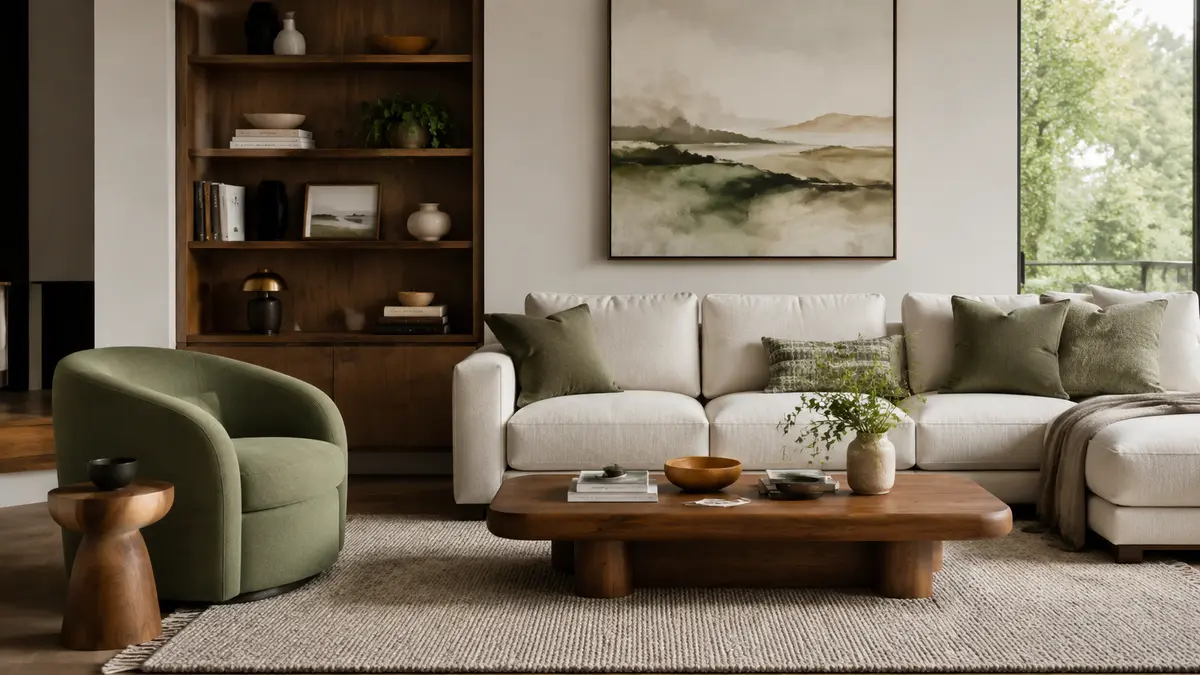
An interior style should make purchasing decisions easier, not force a home into a temporary trend. The right direction reflects the building, climate, daily routines and objects you genuinely enjoy. This guide explains how to choose an interior design style that can remain consistent across an entire home.
How to Choose an Interior Design Style That Lasts
Understanding how to choose an interior design style begins with your daily routine rather than online trends. Consider who uses each room, the amount of storage required, cleaning preferences, climate and the furniture you already own. A beautiful style will not remain enjoyable if it makes everyday living inconvenient.
When deciding how to choose an interior design style, collect a small group of reference images and identify the repeated colours, materials and furniture shapes. Test these ideas in one room before applying them throughout the house. Learning how to choose an interior design style gradually helps create a consistent home without purchasing unnecessary furniture or following a short-lived trend.
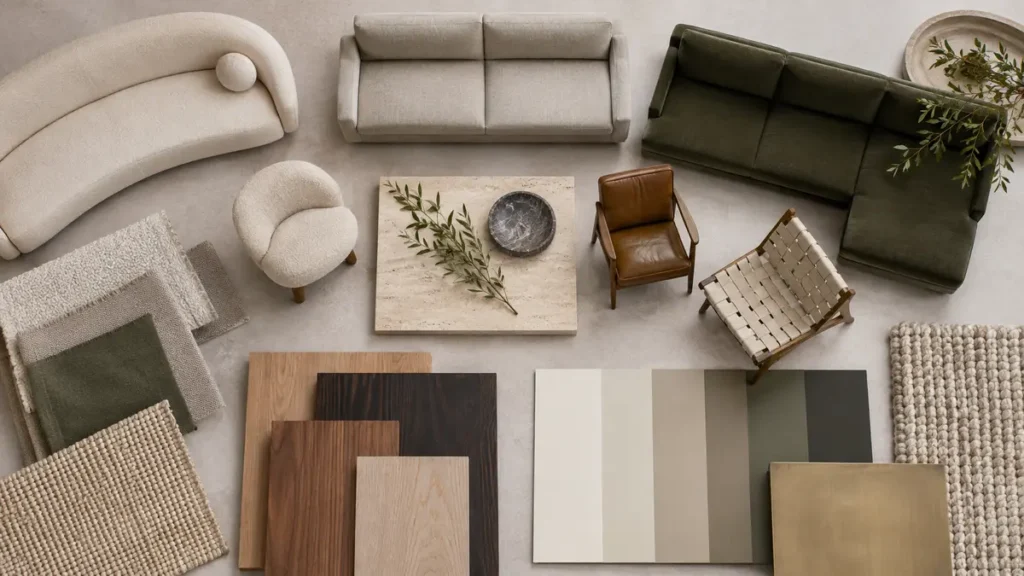
Table of Contents
Start with Lifestyle, Not Labels
List how the home must perform. Consider children, pets, entertaining, work, cleaning time, storage and accessibility. A highly delicate interior may be unsuitable for heavy daily use, while an extremely minimal room may not support a family that needs visible, reachable storage.
Study the Home’s Existing Character
Observe ceiling height, window proportions, natural light, flooring, doors and fixed joinery. Work with valuable features rather than covering all of them. A style can be adapted, but it should not fight the architecture in every room.
Collect Images and Find the Pattern
Save rooms you would genuinely live in, then identify repeated features: warm or cool colour, curved or straight furniture, pale or dark wood, plain or patterned textiles, open or layered styling. The pattern matters more than the names attached to individual photographs.
Understand the Main Style Directions
Warm Contemporary
Clean shapes softened by textured fabrics, natural wood and warm neutral colours. It suits many modern homes and is easy to personalize.
Modern Minimal
Limited colours, precise lines and reduced visual clutter. It requires strong storage planning and careful material quality.
Natural or Organic Modern
Curved forms, tactile fabrics, wood, stone and muted earth colours. The result should feel calm rather than themed.
Understated Classic
Balanced proportions, framed details, elegant lighting and timeless furniture shapes without excessive ornament.
Industrial
Dark metal, practical shapes, exposed textures and robust materials. Use warmer textiles and wood to prevent a harsh result.
Eclectic
Furniture from different periods connected through intentional colour, proportion or material. It should appear collected, not random.
Choose Three Guiding Words
Select three words such as calm, warm and practical. Test every major purchase against them. This is often more useful than trying to follow a style category perfectly.
Build a Small Material Vocabulary
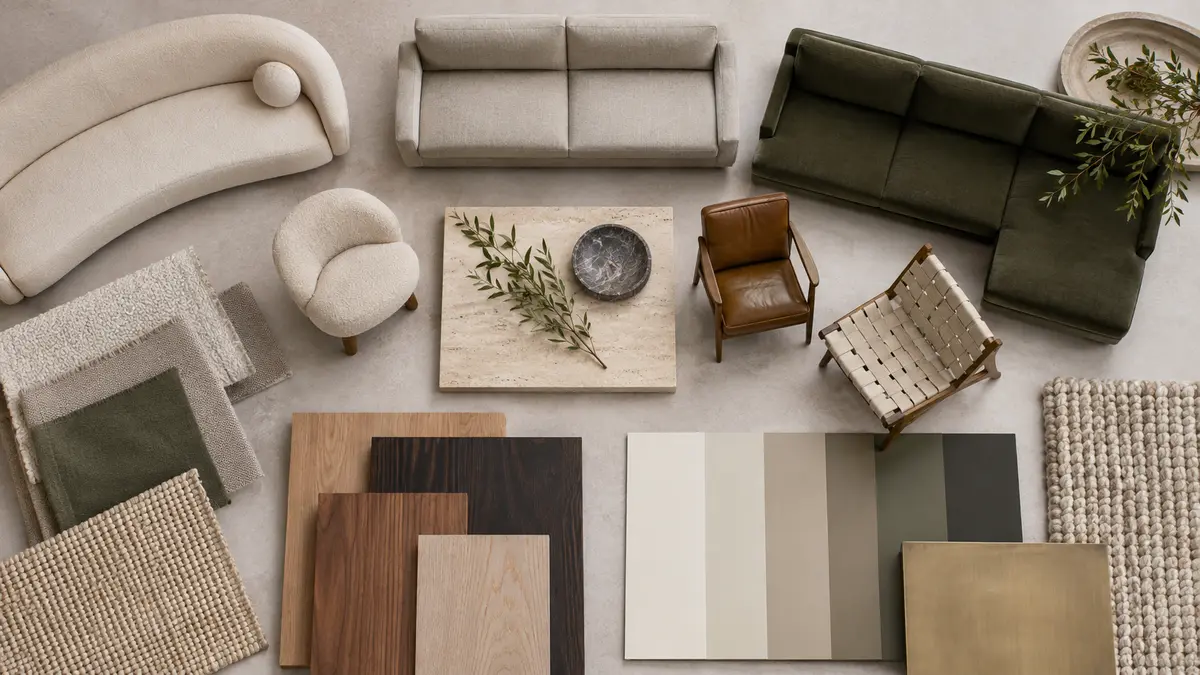
Choose one main wood direction, one primary metal finish, a base neutral and a limited number of accents. Materials do not need to match exactly, but their undertones and visual weight should cooperate.
Allow Rooms to Have Individual Roles
A bedroom may be softer and quieter than the living room, while a study may be darker and more focused. Repeat selected colours, woods or shapes so the rooms still feel part of the same home.
Avoid Buying a Complete Theme
Do not purchase every item from one display simply to achieve consistency. Repeating identical furniture can make a home feel like a showroom. Combine compatible pieces and leave space for personal objects.
Test the Style Against Maintenance
- Can the upholstery tolerate daily use?
- Will open shelves remain organized?
- Are pale rugs practical for the household?
- Can carved or textured surfaces be cleaned easily?
- Will the chosen finishes cope with heat, humidity and sunlight?
Common Style-Selection Mistakes
- Following one fashionable photograph exactly
- Ignoring the home’s architecture and light
- Mixing many wood and metal finishes without a plan
- Choosing appearance before comfort
- Designing for visitors instead of the household
- Buying too much before testing samples
Helpful Shopping Links
Affiliate disclosure: As an Amazon Associate, Djeema Furniture Guide earns from qualifying purchases. If you buy through these links, we may earn a commission at no additional cost to you.
For complete room-by-room planning, read our guide on how to furnish a new home.
Final Thoughts
The best interior direction is recognizable but flexible. Start with lifestyle and architecture, identify the patterns in rooms you admire and establish a limited palette of materials. A clear direction will make later decisions about paint, floors, curtains and furniture far easier.