
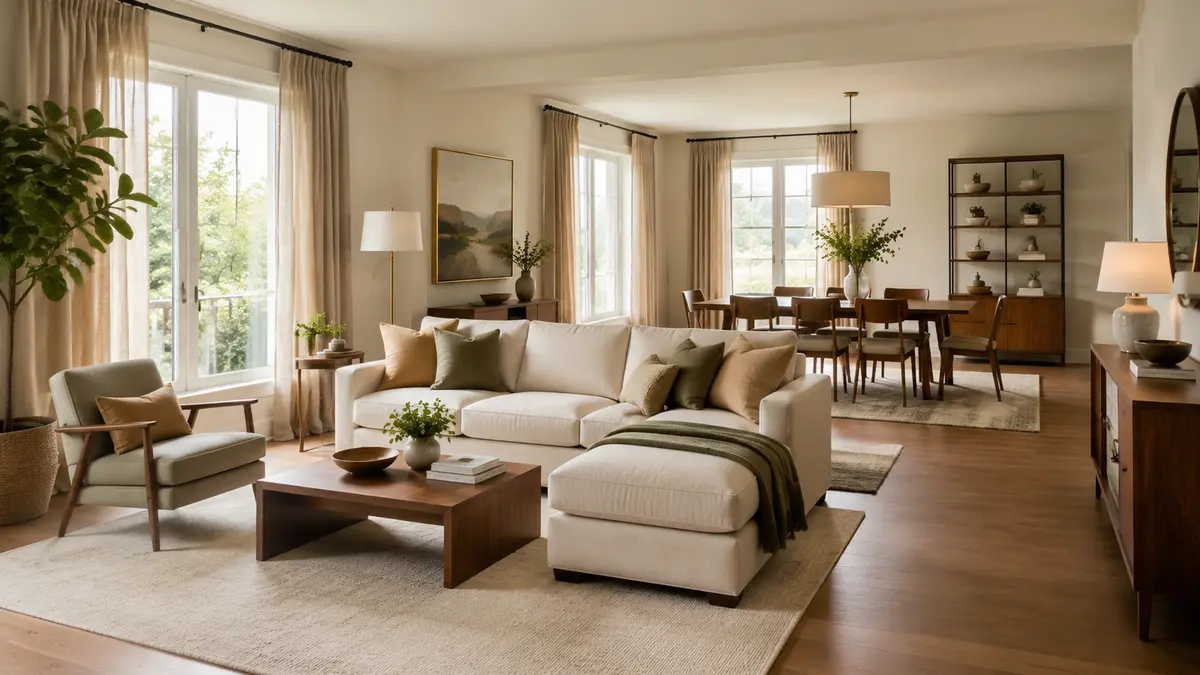
Furnishing a new home becomes much easier when decisions are made in the right order. Buying attractive pieces without a room plan can create problems with size, colour, movement and budget. This complete how to furnish a new home guide takes you from the empty-room stage to a coordinated, comfortable result.
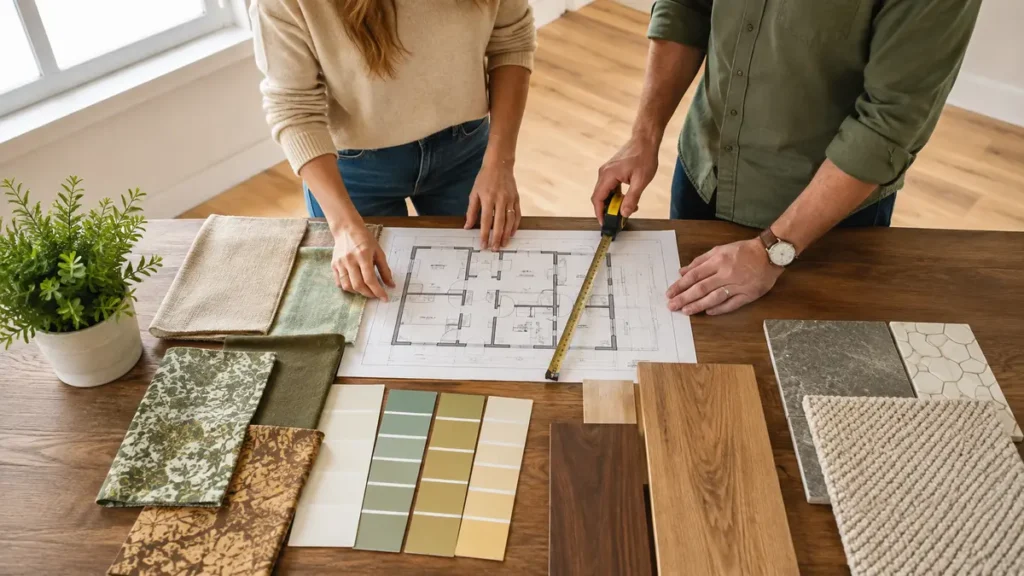
Table of Contents
Begin with the Way You Will Use the Home
Before choosing colours or furniture, list the people who will use each room and the activities that happen there. A living room used mainly for television needs a different layout from one used for conversation and entertaining. A guest bedroom that also functions as a study needs flexible furniture rather than a permanent arrangement that serves only one purpose.
Record practical needs such as children, pets, elderly family members, frequent visitors, work-from-home requirements and storage. These facts should guide the design before style preferences are considered.
Set the Total Budget and Divide It by Room
Create a complete budget that includes more than furniture. Allow for paint, flooring work, curtains, lighting, rugs, delivery, assembly and small finishing items. Keep a reserve for unexpected measurements, repairs or installation costs.
Give priority to pieces used every day: beds, mattresses, sofas, dining chairs and work chairs. Decorative items can be added gradually after the essential rooms function properly.
Measure Before Shopping
Measure every room, doorway, corridor, staircase and lift through which furniture must pass. Mark windows, doors, electrical points, air-conditioning units and fixed cabinets on a simple floor plan. Note the direction in which doors open and the amount of space needed for comfortable movement.
Do not rely only on the room’s total length and width. The usable wall area may be reduced by windows, columns or circulation paths.
Choose a Consistent Interior Direction
Select a broad style direction for the whole home, such as warm contemporary, modern natural, understated classic or calm minimal. Rooms do not have to look identical, but repeating a few materials, colours and shapes helps the home feel connected.
Create a small mood board containing the flooring, main wall colour, wood tone, metal finish, upholstery direction and one or two accent colours. Use it to evaluate every later purchase.

Complete Fixed Finishes First
Finish disruptive work before valuable furniture arrives. Confirm flooring, wall preparation, paint, ceilings, electrical work, lighting points and built-in storage first. Curtains can be measured after final floor and ceiling levels are known.
If an existing finish will remain, treat it as a fixed part of the palette. A strongly coloured floor or cabinet cannot be ignored when selecting paint and upholstery.
Plan Lighting Before Final Furniture Placement
Use a combination of ambient, task and accent lighting. General ceiling light alone often makes a furnished room feel flat. Add task lighting near reading chairs, desks, kitchen work areas and beds, then use accent lighting to highlight art, shelving or textured walls.
Confirm socket positions and switching before placing large cabinets or upholstered furniture against the walls.
Furnish the Most Important Rooms First
- Bedrooms: Select the mattress and bed, then plan wardrobes, bedside tables, curtains and lighting.
- Living room: Establish the seating layout and sofa size before buying tables, rugs or television furniture.
- Dining area: Allow enough clearance around the table for chairs and circulation.
- Kitchen and utility areas: Organize daily storage before purchasing decorative containers.
- Entry and secondary spaces: Add shoe storage, consoles, guest-room items and balcony furniture after essential rooms work.
Choose the Largest Piece in Each Room First
The largest item usually controls the remaining layout. In a bedroom it is the bed; in a living room it is normally the sofa; in a dining room it is the table. Confirm that item’s size, placement and colour before selecting smaller pieces.
Avoid buying a complete matching set automatically. Coordinated pieces with compatible proportions and finishes often create a more natural, collected interior.
Build the Colour Scheme in Layers
Start with fixed surfaces such as flooring and cabinets, then choose the main wall colour and large upholstery. Add curtains and rugs next. Cushions, art and accessories should come last because they are easier and less expensive to change.
Compare samples inside the actual room during morning, afternoon and evening light. Colours can change significantly under different lighting conditions.
Check Furniture Quality Practically
Inspect frames, joints, drawer movement, hardware, upholstery seams, cushion support and surface finishing. Sit on seating long enough to assess comfort rather than judging it for a few seconds. For online purchases, study dimensions, materials, assembly requirements, warranty and return conditions.
Leave Enough Space for Movement
A room should not be filled simply because space is available. Keep main walking routes clear, allow doors and drawers to open fully and provide comfortable space around tables and beds. Visual breathing room can make modest furniture look more refined.
Add Storage Where Clutter Begins
Observe where shoes, bags, chargers, documents, toys and daily objects naturally collect. Place suitable storage near those activities. Storage located far from the point of use is less likely to remain organized.
Finish with Textiles and Accessories
Use rugs to define zones, curtains to control light and softness, and cushions to introduce manageable accent colours. Add mirrors, art, plants and decorative objects selectively. Leave some surfaces open instead of filling every shelf and wall.
Common New-Home Furnishing Mistakes
- Buying furniture before measuring access routes
- Choosing every room independently with no shared palette
- Spending the budget on decorative items before essentials
- Using showroom appearance as the only test of comfort
- Ordering curtains before confirming final measurements
- Ignoring storage and electrical requirements
- Buying too many pieces for the available space
A Practical Purchasing Order
- Measure and photograph every room.
- Set the budget and priority list.
- Choose the overall palette and material direction.
- Complete fixed finishes and electrical work.
- Order beds, mattresses and essential storage.
- Select living-room and dining furniture.
- Measure and order curtains and rugs.
- Add task lighting and small functional furniture.
- Live in the home briefly before completing accessories.
Helpful Shopping Links
Affiliate disclosure: As an Amazon Associate, Djeema Furniture Guide earns from qualifying purchases. If you buy through these links, we may earn a commission at no additional cost to you.
Final Thoughts
A well-furnished home is created through sequence, not speed. Plan how each room will be used, measure accurately, coordinate the fixed finishes and purchase the largest essential pieces first. When practical needs, colour and proportion are resolved in that order, the final home feels comfortable, connected and personal.