
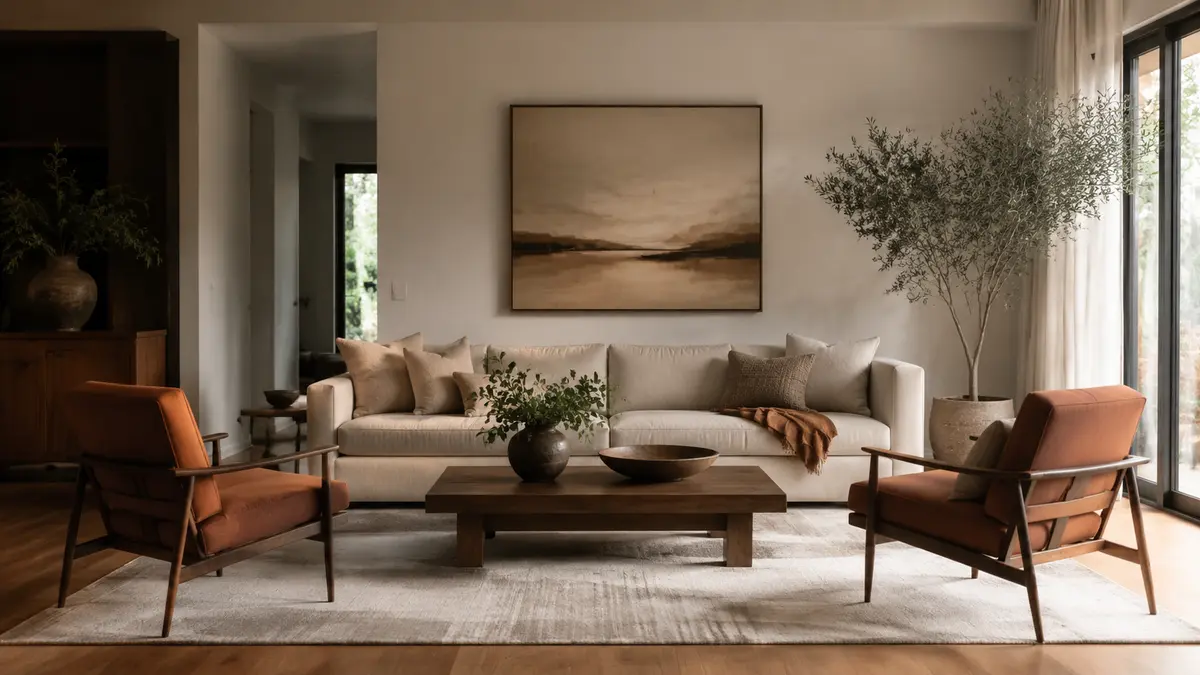
Accent chairs can complete a seating group, introduce colour and make an empty corner useful. They can also obstruct circulation or compete with the sofa when selected without a plan. This guide explains how to choose accent chairs with the right size, comfort and visual weight.

How to Choose Accent Chairs for a Small Living Room
Learning how to choose accent chairs for a small living room begins with scale. Measure the available floor space and leave comfortable walking routes around the chair. A design with slimmer arms, raised legs and an open frame usually appears lighter than a wide chair with a heavy base.
When deciding how to choose accent chairs, compare the seat height and depth with the existing sofa. The pieces do not need to match exactly, but their proportions should feel balanced. Position the chair where it supports conversation without blocking doors, windows or frequently used pathways.
Table of Contents
Define the Chair’s Purpose
Decide whether the chair is for daily reading, occasional guests, conversation or decoration. Daily seating needs tested comfort and support; an occasional chair can be lighter and easier to move.
Measure the Available Footprint
Record total width and depth, including arms, angled legs and the space needed to sit down. Mark the footprint on the floor. Confirm that doors, drawers and paths remain usable.
Coordinate Scale with the Sofa
A very small chair may look insignificant beside a deep sectional, while an oversized lounge chair can dominate a compact sofa. Compare seat height, back height, arm thickness and overall visual mass.
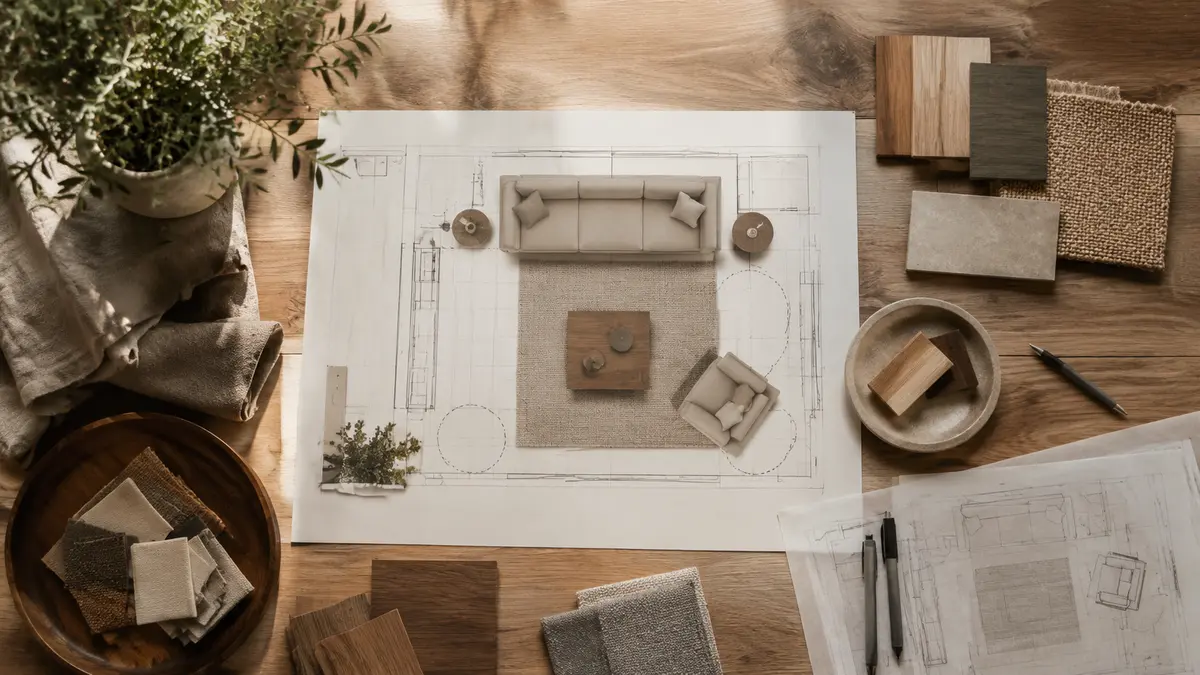
Choose One or Two Chairs
One chair suits a reading corner or asymmetrical layout. A pair creates balance and stronger conversation seating, but needs more width. In small rooms, two compact open-frame chairs may feel lighter than one bulky recliner.
Coordinate Without Matching
The chair can share the sofa’s colour family, material, shape or wood tone without belonging to the same set. If it introduces a new colour, repeat that colour once or twice in art, cushions or accessories.
Consider Visual Weight
Exposed legs and open arms allow more floor to remain visible. Swivel bases and upholstered skirts feel heavier. High backs add presence and privacy; lower backs preserve sightlines in open-plan rooms.
Test Comfort Properly
Check seat depth, height, back angle, lumbar support and arm position. Sit long enough to assess comfort. A beautiful chair that is rarely used because of poor support wastes valuable floor space.
Position Chairs for Conversation
Angle chairs toward the sofa rather than lining every seat toward the television. Provide a reachable table and task light where needed. Keep the main walking route outside the conversation group.
Common Accent-Chair Mistakes
- Buying before marking the footprint
- Choosing a chair too small or too bulky for the sofa
- Introducing an unrelated colour only once
- Blocking circulation with angled legs
- Prioritizing appearance over usable comfort
- Forgetting a table or reading light
Helpful Shopping Links
Affiliate disclosure: As an Amazon Associate, Djeema Furniture Guide earns from qualifying purchases. If you buy through these links, we may earn a commission at no additional cost to you.
For a complete room-by-room plan, read our guide on how to furnish a new home.
Final Thoughts
Choose accent chairs as functional parts of the layout. The correct footprint, scale, comfort and repeated design connection will add useful character without making the living room feel crowded.