

A furniture and furnishing budget should be prepared before you begin shopping for the home. A realistic furnishing budget should cover the complete room, not only the largest furniture pieces. Delivery, curtains, lighting, rugs, assembly and small practical items can significantly change the final cost. This guide explains how to budget for furniture and furnishing without sacrificing the essentials or leaving rooms unfinished.
Description
How to Plan a Furniture and Furnishing Budget
When setting a furniture and furnishing budget, divide the available amount between essential furniture, lighting, curtains, rugs, storage and decorative items. Reserve the largest portion for durable pieces such as sofas, beds and dining furniture. Keep a contingency amount for delivery, assembly and unexpected changes. Review your furniture and furnishing budget before every major purchase rather than relying only on the original estimate. For the correct purchasing sequence, read our guide on how to furnish a new home.
Table of Contents
Start with the Total Amount You Can Spend
Set one maximum figure for the entire project before visiting shops. The figure should come from available funds, not from adding together everything you like. Keep emergency savings and unrelated household expenses outside the furnishing budget.
If the home will be furnished in phases, record the amount available now and the amount expected later. Do not depend on uncertain future income for orders that require immediate payment.
List Every Space
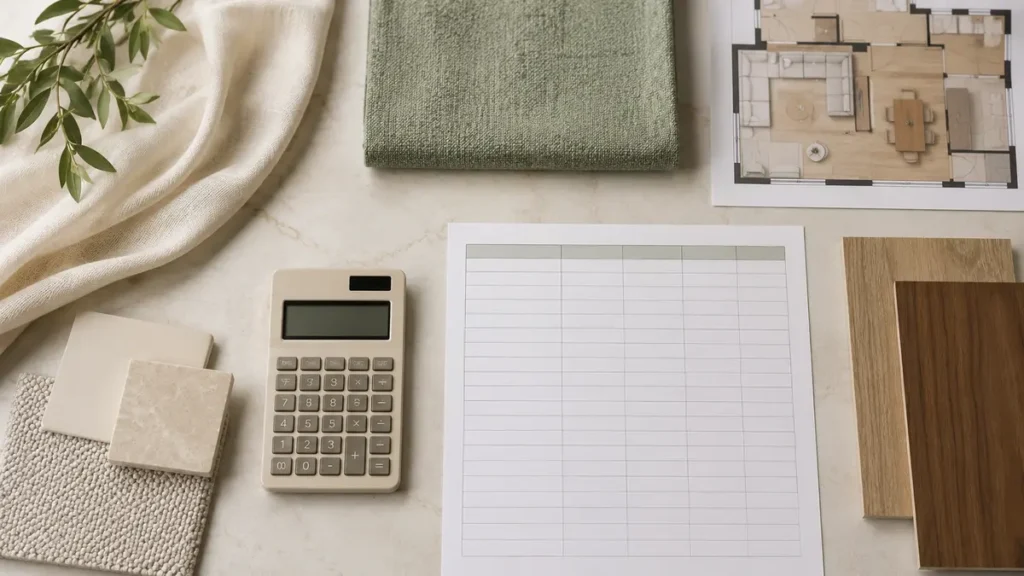
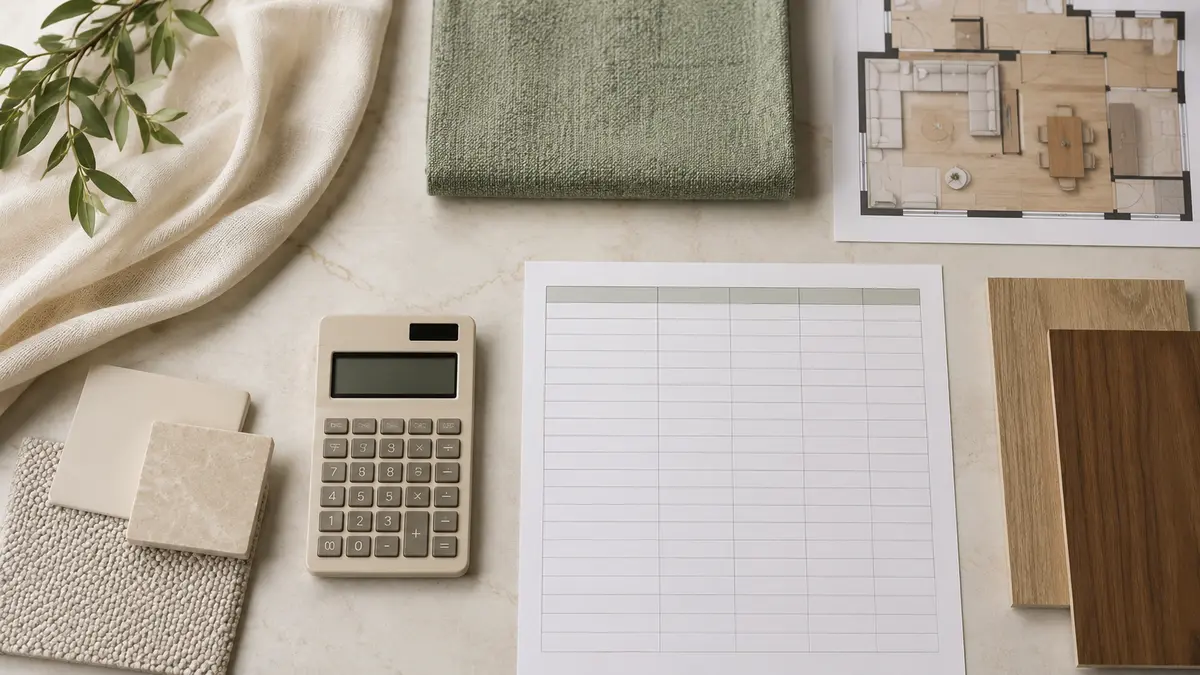
Create a worksheet containing the entry, living room, dining area, kitchen, bedrooms, bathrooms, work area, balcony and storage spaces. Under each room, list essential furniture, lighting, curtains, rugs, accessories, delivery and installation.
This prevents visible rooms from consuming the budget while bedrooms and practical storage remain incomplete.
Separate Essentials from Upgrades
Mark each item as essential, useful or optional. A mattress is essential. A bedside table may be useful. Decorative objects are usually optional. This classification gives you a clear reduction plan if quotations exceed the budget.
Use Percentage Ranges, Not Rigid Rules
Every household has different priorities, but an initial allocation can reveal imbalance. A typical plan may reserve larger portions for bedrooms and the living room, moderate portions for dining and storage, and smaller portions for accessories. Adjust the proportions for your actual lifestyle.
A home office used daily may deserve more investment than a formal dining room used occasionally.
Invest More in High-Use Items
Give more of the budget to products that affect sleep, posture, safety and daily comfort. Mattresses, sofas, dining chairs, office chairs, reliable storage hardware and effective lighting normally deserve careful selection.
Save on pieces that are lightly used, easy to replace or mainly decorative. Lower cost should not mean unsafe construction or unsuitable dimensions.
Include Costs Beyond the Product Price
- Delivery and floor-access charges
- Assembly and installation
- Electrical and lighting work
- Curtain tracks, rods and stitching
- Wall preparation and painting
- Protective treatments and care products
- Old-furniture removal
- Taxes or customs costs where applicable
Keep a Contingency Reserve
Reserve part of the total for measurement changes, damaged finishes, extra installation materials or overlooked essentials. Treat this amount as unavailable unless a genuine project need appears.
Compare Complete Value
Compare construction, materials, warranty, delivery, assembly, return conditions and expected life—not only the advertised price. A cheaper product that must be replaced quickly can cost more over time.
When comparing quotations, confirm that specifications are equivalent. Solid wood, veneer, laminate and printed finishes can look similar in photographs but differ in construction and maintenance.
Control Colour and Style Changes
Late changes often cause duplicate purchases and wasted deposits. Approve a mood board before ordering large items. Keep photographs and samples of the flooring, paint, wood tone and fabric direction available while shopping.
Purchase in Logical Phases
- Fixed finishes and essential repairs
- Beds, mattresses and daily storage
- Main living and dining furniture
- Curtains, rugs and practical lighting
- Secondary rooms and flexible furniture
- Art, accessories and decorative upgrades
Track Commitments, Not Only Payments
Once an order is placed, record its full value as committed even when only a deposit has been paid. Maintain columns for supplier, order date, expected delivery, amount paid and balance due. This prevents the remaining bank balance from being mistaken for unallocated budget.
Common Furnishing Budget Mistakes
- Budgeting only for furniture and forgetting curtains or lighting
- Buying accessories before essential storage
- Ignoring delivery and installation costs
- Changing the colour scheme after orders are placed
- Using the lowest quotation without comparing specifications
- Spending the contingency reserve on optional upgrades
Helpful Shopping Links
Affiliate disclosure: As an Amazon Associate, Djeema Furniture Guide earns from qualifying purchases. If you buy through these links, we may earn a commission at no additional cost to you.
Final Thoughts
A good budget turns furnishing into a controlled sequence of decisions. List every room, protect the essentials, include hidden costs and track the full value of every order. The objective is not to buy everything immediately; it is to create a functional home without financial surprises.