
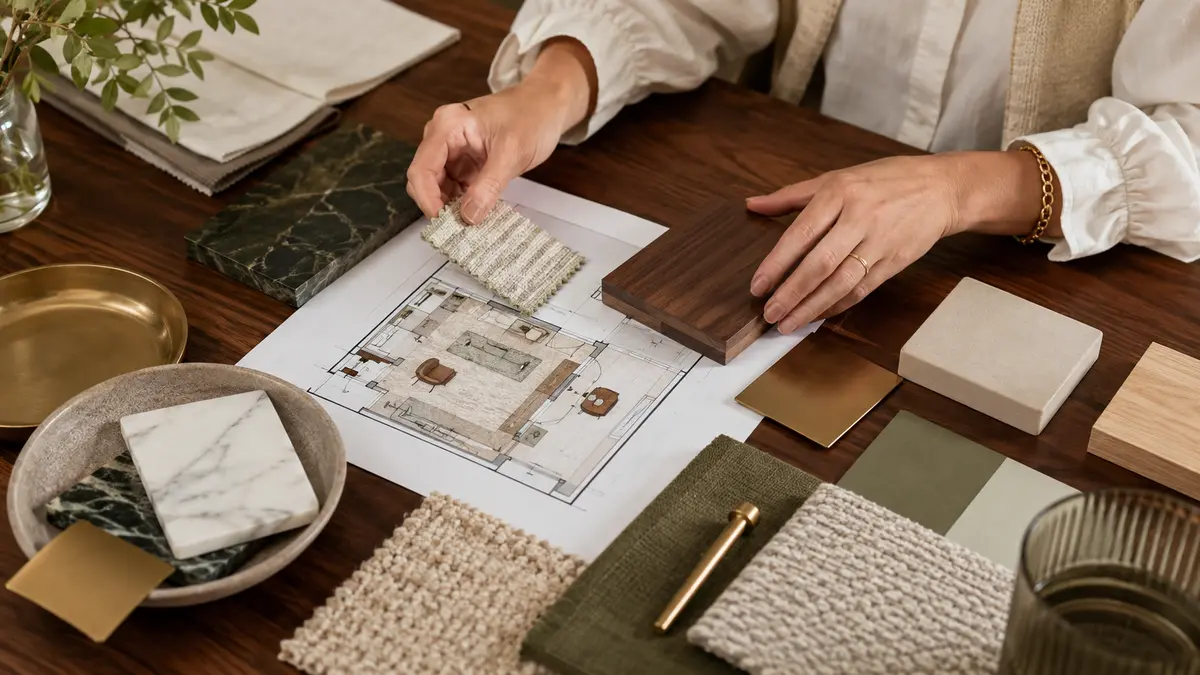
A furniture mood board is a practical decision tool, not merely a collection of attractive pictures. It shows whether flooring, paint, wood, upholstery, curtains and metal finishes work together before money is committed. This guide explains how to create a furniture mood board for a coordinated home.
How to Create a Furniture Mood Board Before Shopping
Understanding how to create a furniture mood board helps you compare colours, materials and furniture proportions before spending money. Begin with the room’s flooring and wall colour, then add samples for the sofa, tables, curtains, rugs and lighting. Keep the selection limited so the design remains coordinated rather than overcrowded. Once you know how to create a furniture mood board, use it while shopping to reject items that do not support the overall plan. You can also read our guide on how to furnish a new home.
How to Create a Furniture Mood Board Before Shopping
Understanding how to create a furniture mood board helps you compare
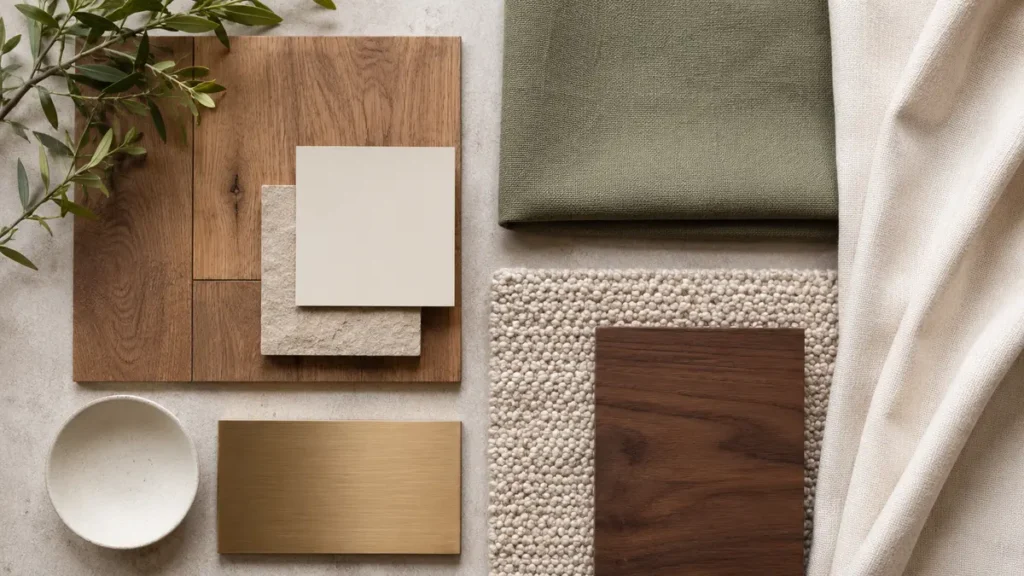
Table of Contents
Define the Room and Objective
Create a separate board for each important room, supported by one smaller whole-home palette. Write the room’s purpose, users, budget and three guiding words at the top.
Begin with Fixed Elements
Add clear photographs or samples of flooring, cabinets, stone, doors and any furniture that will remain. These elements place real limits on the new palette and should not be replaced by idealized internet images.
Add the Main Wall Colour
Use a physical paint sample photographed in the actual room when possible. Screen colours are unreliable. Record the paint name and code so the board remains useful during purchasing.
Select the Largest Furniture Piece
Add the sofa, bed or dining table with its exact dimensions, finish and fabric. The largest piece usually establishes the visual weight and controls the smaller selections.
Build a Balanced Material Palette
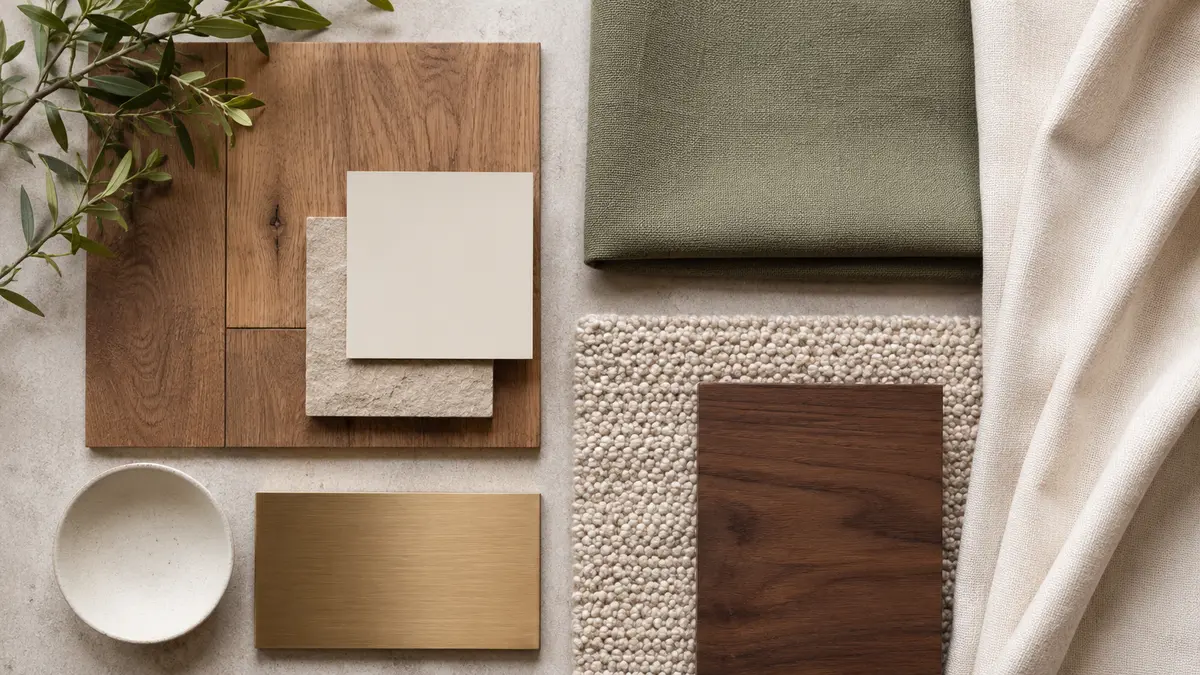
Add upholstery, curtain, rug, wood and metal samples. Aim for a mixture of smooth and textured surfaces. If every material is visually strong, they compete; if every surface is plain, the room may feel flat.
Check Undertones
Place warm and cool neutrals beside the fixed floor and wood. Beige may lean pink, yellow, grey or green. Whites also vary. Compare samples together under the room’s daylight and evening lighting.
Include Dimensions and Practical Notes
A beautiful board can still produce an impractical room. Add product widths, depths, heights, lead times, cleaning requirements and budget. Mark uncertain decisions clearly.
Use a Simple Visual Hierarchy
- Largest area: flooring and main wall colour
- Next: principal furniture and curtains
- Then: secondary furniture and rug
- Smallest: accent colour, metal, art and accessories
Create Digital and Physical Versions
A digital board is easy to update and share, while a physical sample tray shows true colour and texture. Use both for important rooms. Photograph the physical samples together for reference when shopping.
Remove Items That Do Not Support the Plan
If a favourite product introduces an unrelated colour, scale or style, either adjust the palette intentionally or remove it. Do not keep incompatible pieces simply because each looks attractive alone.
Test the Board in the Actual Room
Place samples near the floor, window and intended furniture position. Review them at different times of day. Artificial shop lighting can make fabric and paint appear different.
Common Mood-Board Mistakes
- Using inspiration photographs without actual product details
- Ignoring fixed flooring or cabinets
- Adding too many accent colours
- Comparing colours only on a phone
- Forgetting dimensions and budget
- Approving materials under one light source
Helpful Shopping Links
Affiliate disclosure: As an Amazon Associate, Djeema Furniture Guide earns from qualifying purchases. If you buy through these links, we may earn a commission at no additional cost to you.
Final Thoughts
A good mood board turns separate purchases into one furnishing plan. Start with fixed surfaces, add the largest furniture, compare real samples and record practical details. The board should prevent unsuitable purchases, not merely present a beautiful idea.